
When a tooth becomes damaged or painful, one of the first questions patients ask is: Can this tooth be saved? The answer depends on the severity of the issue—but with modern dentistry, many teeth can be restored rather than removed.
Learn more about the practice here: https://jenkinsfamilydentistry.com/
When Can a Tooth Be Saved?
A tooth can often be preserved if the problem is caught early. Common cases include:
- Cavities that haven’t reached deep into the tooth
- Minor cracks or structural damage
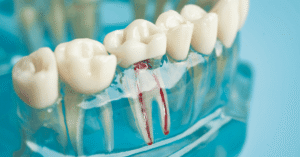
- Infections that can be treated with root canal therapy
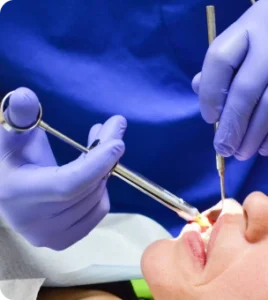
At Jenkins Cosmetic and Family Dentistry, general and restorative treatments are designed to protect your natural teeth whenever possible.
Explore treatment options here:
https://jenkinsfamilydentistry.com/general-dentistry/
When Is More Extensive Treatment Needed?
In some situations, saving the tooth may not be possible, especially if:
- The tooth is severely decayed
- There is major structural damage
- Infection has progressed too far
In these cases, your dentist will recommend the best option to restore your smile and function.
Treatment Options That Help Save Teeth
Modern dentistry provides several effective solutions:
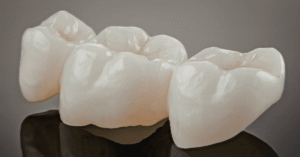
- Dental crowns to strengthen weakened teeth
- Root canal therapy to remove infection
- Preventive care to stop issues early
Why Early Treatment Matters
Addressing problems early helps:
- Prevent infection from spreading
- Reduce the need for extraction
- Preserve natural tooth structure
- Lower long-term costs
According to Cleveland Clinic, root canal treatment removes infection from inside the tooth and helps save the natural tooth rather than requiring extraction.
https://my.clevelandclinic.org/health/treatments/21759-root-canal
Conclusion
In many cases, a tooth can be saved—but timing is critical. The sooner you seek care, the more options you have.
Jenkins Cosmetic and Family Dentistry provides comprehensive care to protect your natural teeth and keep your smile healthy for years to come.